
As I was scrolling through my Twitter feed yesterday, I came across another report proclaiming to have determined the best states for business -- this time from CNBC.
CNBC’s report hits most of the right notes in identifying what makes a location ideal for businesses: a well-educated workforce, the cost of doing business, the number of business regulations, quality of life, and access to venture capital. Still, I almost always hesitate to use reports like these in my articles. Simply framing a state as good or bad for business is misguided, and I’d caution startup leaders in Heartlandstates against reading too much into lists like these.
In my opinion, the biggest issue tech startups in the Heartland face is not starting up, but scaling quickly enough to become an industry leader -- without burning out. What’s needed to do that are factors that are hard to quantify: executives and venture capitalists who know how to properly steer a fast-growing business, as well as customers and local talent who are willing to take a chance on startups.
These reports also miss whether a city is becoming a leader for businesses in a certain industry, like manufacturing or SaaS. No city or state is going to be an ideal location for every type of business -- nor should it be.
Do you find that “best places for businesses” reports typically get something wrong about your city or state? Send me your thoughts via email. And as always, thanks for reading. You can also sign up here for VentureBeat’s Heartland Tech newsletter to get this column in your inbox weekly.
Anna Hensel Heartland Tech reporter
Featured Video
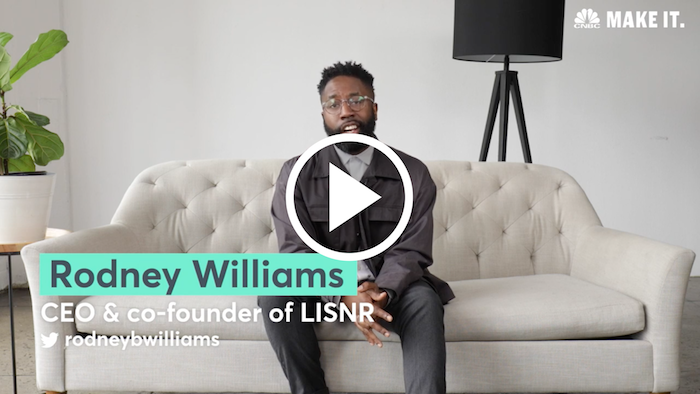
Check out this video from CNBC, on how the CEO of Cincinnati’s LISNR went from a cushy corporate job to $100,000 in debt running a startup
From the Heartland Tech channel

SpotHero introduces 500 autonomous car-ready garages in Chicago
SpotHero announced that more than 500 of its connected parking garages in Chicago have been adapted to accommodate autonomous cars, trucks, and SUVs.


Universities and legacy industries are giving rise to the Midwest’s AI startups
ANALYSIS: Even as artificial intelligence promises to transform many facets of life, the majority of AI companies in the U.S. are still concentrated in traditional tech hubs. According to a Glassdoor analysis from November, 30 percent of open jobs that included the words “artificial intelligence, “AI,” or “deep learning” in their title were located in San […]
Beyond VB
Apple’s rumored Raleigh headquarters would completely change my community
Apple is reportedly planning to open a second campus in Raleigh, North Carolina, where I live. And Amazon executives, who are also scouting cities for the company’s second headquarters, recently a took a tour. (via Quartz)
Down and Out in San Francisco, on $117,000 a Year
It’s beyond laughable that a one-bedroom apartment can sell for $1.5 million in San Francisco — and get multiple offers within a day. Or that dumpsters sport satirical “for rent” signs. Or that the asking price for a side order of brussels sprouts at many restaurants is $16. (via The New York Times)
Detroit-based startup StockX sales soar as it grows beyond sneakerheads
When Detroit-based StockX partnered with Nike last year to exclusively sell the remake of the sneakers NBA superstar LeBron James wore his rookie year, the 46 pairs of retro shoes sold for an average $6,000 each. (via Crain's Detroit)
Insurtech Startup Raises $7.3M From Liberty Mutual to Insure Drones, Robots and More
REIN, an insurtech startup focused on emerging technology markets like robots, drones, mobility and IoT products, has raised $7.3 million in a funding round from investors including insurance giant Liberty Mutual’s investing arm. Founded in 2015, REIN is based in Chapel Hill, NC. (via Hypepotamus)